 margaret
Master cannabis vaping techniques by understanding the three primary methods dominating the landscape of vapes in Canada: convection heating for pure flavor preservation, conduction heating for rapid onset effects, and hybrid systems offering balanced performance. Modern vaporization technology transforms how we experience cannabis, delivering precise temperature control and consistent dosing while minimizing respiratory risks associated with combustion methods. Each vaping method presents unique advantages for different consumption preferences and experience levels. Convection heating excels at extracting complex terpene profiles and delivering smooth vapor, while conduction systems offer immediate satisfaction and stronger effects. Hybrid devices bridge this gap, providing versatility for both casual users and enthusiasts seeking to fine-tune their experience. The evolution of portable and desktop vaporizers has revolutionized cannabis consumption, offering discretion, efficiency, and enhanced flavor profiles compared to traditional methods. From precise temperature control to innovative extract compatibility, modern vaping solutions cater to increasingly sophisticated consumer preferences while prioritizing safety and user experience.
Understanding Cannabis Vaping Technology
Conduction vs. Convection Vaporizers
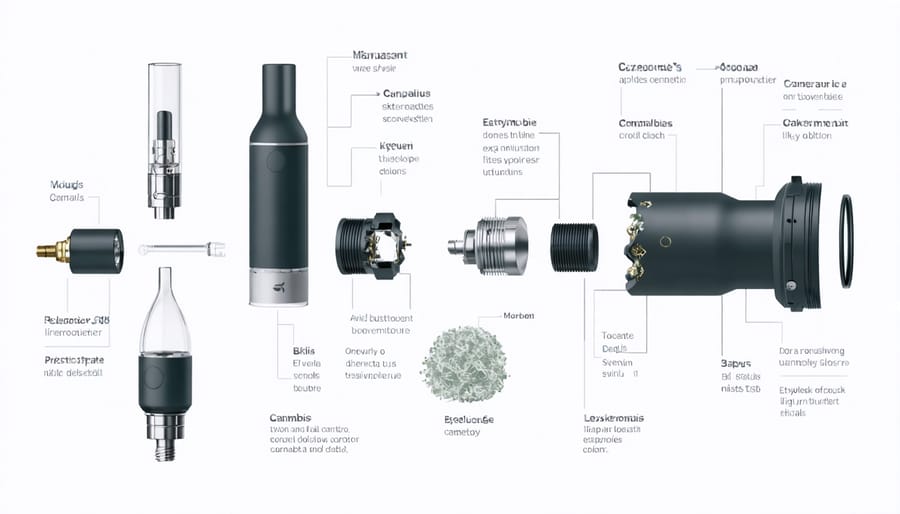
When exploring cannabis vaporizers, you’ll encounter two main heating methods: conduction and convection. Each offers a distinct vaping experience and affects cannabinoid delivery and vapor quality differently. A conduction vaporizer works by directly heating your cannabis material against a hot surface, similar to cooking on a stovetop. Research has shown that direct-contact heating can lead to localized temperature variations, which may affect the efficiency of cannabinoid extraction. While these devices tend to be more affordable and heat up quickly, they can sometimes lead to uneven heating and require careful attention to prevent scorching. You’ll need to stir your material occasionally to ensure even extraction.
A convection vaporizer heats your cannabis by passing hot air through it, distributing thermal energy more uniformly throughout the material. Studies on vaporization efficiency indicate that convection heating generally produces more consistent cannabinoid release and preserves terpene profiles better than direct-contact methods. The result is smoother vapor with better flavour preservation, though these units typically cost more and take longer to reach optimal temperature.
Conduction Pros
- Faster heat-up time, typically 30-60 seconds to operating temperature.
- Lower upfront cost makes them accessible for beginners.
- Simpler design with fewer components that can malfunction.
- More compact and portable for on-the-go use.
Conduction Cons
- Uneven heating can lead to hot spots and material scorching.
- Requires stirring between draws for consistent extraction.
- Higher risk of combustion if temperature isn’t carefully managed.
- Less efficient use of material due to uneven vaporization.
Convection Pros
- Superior vapor quality with better terpene and cannabinoid preservation.
- Even heating eliminates hot spots and reduces waste.
- No stirring required for consistent extraction throughout the session.
- Lower combustion risk due to controlled air temperature.
Convection Cons
- Longer heat-up time, often 90 seconds or more.
- Higher price point due to more complex heating technology.
- Bulkier design reduces portability compared to conduction models.
- May require more frequent battery charging due to power demands.
For beginners, conduction vaporizers offer a straightforward entry point with immediate results. As you become more experienced, you might appreciate the refined experience and better efficiency that convection heating provides. Both methods are perfectly legal in Canada when used with authorized cannabis products.
Portable vs. Desktop Options
Cannabis vaping devices generally fall into two categories: portable and desktop models, each designed for different use cases. A portable vaporizer is built for discretion and mobility. These compact devices fit easily into a pocket or bag, making them practical for on-the-go use. They’re particularly popular among urban cannabis enthusiasts who want to enjoy their sessions while visiting friends or relaxing in permitted outdoor spaces.
Desktop vaporizers sacrifice portability but deliver consistent, high-quality vapor for home use. These units typically offer more precise temperature control and larger chambers, making them better suited for extended sessions or group settings. They’re also known for their durability and often include additional features like multiple intake methods and digital displays.
Your lifestyle should guide your choice. If you primarily consume at home and want maximum control over your experience, a desktop unit makes sense. But if you value flexibility and vape in different locations, a portable device will probably serve you better. Both options can deliver quality experiences when used properly and maintained regularly.
Preparing Your Cannabis for Vaping
Proper Grinding Techniques
Achieving the right grinding consistency is crucial for optimal vaping performance and vapor production. Unlike combustion methods, vaping works best with a medium-fine grind that allows for efficient heat distribution while maintaining proper airflow. Start by ensuring your cannabis is properly cured and not too moist, as excess moisture can lead to uneven heating. Using a quality cannabis grinder with sharp teeth, break down your material with gentle, consistent twisting motions. Aim for a consistency similar to coarse coffee grounds, fine enough to increase surface area but not so fine that it becomes powdery. A common mistake is over-grinding, which can result in material that’s too fine and may clog your device or pass through the heating chamber’s screen. If your ground cannabis feels dusty or sticks together when pressed, you’ve gone too far. The ideal grinding consistency should feel slightly fluffy and fall easily through your fingers without clumping. For best results, grind only what you plan to use in your session, as pre-ground cannabis can lose potency and terpenes over time.
Side-by-side comparison of properly and improperly ground cannabis material
Moisture Content and Storage
Proper moisture content is crucial for an optimal vaping experience with cannabis products. The ideal moisture level for vaping material typically ranges between 8-12%, which helps prevent harsh hits while maintaining the integrity of terpenes and cannabinoids. Research from cannabis science laboratories has shown that humidity levels between 59-62% RH provide optimal conditions for preserving cannabinoid and terpene profiles during cannabis storage. Too much moisture can lead to uneven heating and potential device damage, while overly dry material might produce a harsh, unpleasant vapour.
To maintain ideal moisture levels, store your vaping material in airtight containers away from direct sunlight. Glass jars with two-way humidity control packs are particularly effective, helping to maintain consistent moisture levels over time by either releasing or absorbing moisture as needed. These humidity control solutions have been shown to significantly improve vaping quality by ensuring consistent vapor production and preserving the flavor profile of terpenes.
Keep your storage temperature between 18-21°C (65-70°F) to preserve potency and prevent mould growth. Monitor your material regularly for any signs of excessive moisture or dryness. If your cannabis feels crispy or crumbles easily, it’s too dry. Conversely, if it feels damp or sticky, it contains too much moisture.
Many Canadian cannabis enthusiasts use humidity indicators in their storage containers to maintain optimal conditions, ensuring their vaping material remains fresh and effective. Industry standards suggest replacing humidity control packs every two to four months, depending on how frequently containers are opened and environmental conditions.
Infographic showing temperature ranges and their effects on cannabinoids
Temperature Control and Its Effects
Low-Temperature Benefits
Vaping cannabis at lower temperatures (typically between 160-180°C) offers unique benefits that make it a preferred choice among many cannabis consumption methods. At these cooler settings, you’ll experience more subtle and nuanced effects while preserving the delicate terpene profiles that give each strain its distinctive character. Lower temperature vaping produces a smoother, less harsh vapor that’s easier on your throat and lungs. You’ll notice more pronounced flavour notes, from citrusy and piney to floral and earthy, as the terpenes are gently released rather than burned off. This temperature range primarily activates THC while maintaining lower levels of CBD activation, resulting in a clearer, more focused experience. The effects tend to be more cerebral and uplifting, making this range ideal for daytime use when you want to remain productive and alert. You’ll also benefit from better conservation of your cannabis, as lower temperatures mean you can often revisit the same material for multiple sessions, maximizing value and reducing waste. This approach aligns well with the mindful consumption practices encouraged within Canada’s legal framework while delivering an enjoyable and flavourful experience.
High-Temperature Considerations
Vaping cannabis at higher temperatures (typically above 200°C/392°F) produces different effects and experiences compared to lower temperature settings. While higher temperatures can deliver more intense effects and fuller vapour production, they also come with important considerations to keep in mind. At elevated temperatures, you’ll experience stronger effects as more cannabinoids and terpenes are released. This can be particularly noticeable with THC, which vaporizes more readily at higher temperatures. You’ll typically get thicker vapour clouds and more pronounced flavours, though some of the subtle terpene notes might be lost compared to lower temperature sessions.
However, higher temperature vaping carries potential health risks. Research indicates that temperatures exceeding 230°C (446°F) may produce harmful byproducts, including benzene and other toxic compounds formed through thermal degradation of plant material. A 2016 study published in Chemical Research in Toxicology found that vaporization above 200°C increased the formation of potentially harmful degradation products. Higher temperature vaping can also feel harsher on the throat and may cause coughing, especially for newer users. There’s also an increased risk of combustion if your device doesn’t maintain precise temperature control.
Studies suggest that the optimal temperature range for balancing cannabinoid extraction with safety sits between 180°C and 210°C (356°F to 410°F). This range maximizes therapeutic compound delivery while minimizing the formation of harmful byproducts. To minimize adverse effects when using higher temperatures, consider starting with shorter draws and gradually working your way up to longer sessions.
For the best experience with high-temperature vaping, ensure your cannabis is properly ground and not packed too tightly in your device. This allows for better airflow and more even heating, reducing the risk of hot spots that could lead to combustion while maximizing vapour production.
Maintenance and Safety
Regular Cleaning Protocol
To maintain your vaporizer’s performance and ensure a clean, enjoyable experience, follow these simple cleaning steps every 1-2 weeks: 1. Allow your device to cool completely before cleaning 2. Disassemble all removable parts, including the mouthpiece, chamber, and screens 3. Gently brush out loose debris using a small cleaning brush 4. Dip a cotton swab in isopropyl alcohol (91% or higher) and clean the heating chamber 5. Soak removable parts in warm, soapy water for 15 minutes 6. For stubborn residue, use isopropyl alcohol and let parts soak for 5 minutes 7. Rinse all components thoroughly with clean water 8. Dry each part completely with a clean cloth or paper towel 9. Let everything air dry for 30 minutes before reassembling For optimal maintenance, clean your device more frequently if you vape daily. Deep clean monthly by repeating these steps and paying extra attention to hard-to-reach areas. Never submerge battery components in liquid, and always ensure everything is completely dry before using your device again. Remember, a clean vaporizer means better flavour, smoother vapour, and a longer-lasting device. Plus, regular maintenance helps prevent potential health issues from building residue.
Safety Best Practices
Adhering to proper cannabis safety standards is essential for your well-being. Always purchase vaping products from licensed retailers to ensure quality and compliance with cannabis regulations. Health Canada continues to update vaping safety guidelines for cannabis products, and staying informed about these requirements protects both your health and legal standing.
Keep your vaping device clean and well-maintained by regularly cleaning the mouthpiece, chamber, and connections with isopropyl alcohol. Monitor your device’s temperature settings to prevent overheating, which can release harmful compounds. Start with lower temperatures and adjust gradually to find your comfort zone.
Never modify your device or use unauthorized accessories. Tampering compromises built-in safety features designed to meet regulatory standards. Store your vaping equipment and cannabis products in a cool, dry place away from direct sunlight and keep them out of reach of children and pets. Check your device’s battery regularly for signs of damage or wear, and replace it if necessary.
If you notice any unusual tastes, smells, or device behavior, discontinue use immediately. Remember to stay hydrated while vaping and take breaks between sessions. If you’re new to vaping, start with small amounts and gradually increase as you become familiar with the effects.
Understanding the fundamentals of various vaping devices, from portable pens to desktop vaporizers, empowers users to make informed decisions about their consumption methods. Following proper cannabis industry guidelines ensures both safety and compliance while enhancing your vaping experience.
Prioritize quality when selecting both your device and cannabis products. Regular maintenance of your vaping equipment, proper temperature control, and adherence to safety protocols are practices that every cannabis enthusiast should embrace. Stay informed about the latest technologies and best practices to maximize the benefits while minimizing potential risks. Consider starting with simpler devices before progressing to more advanced options, and always purchase your products from licensed retailers.