 margaret
Growing cannabis under Canada’s hemp cultivation framework is entirely legal and surprisingly accessible, provided you secure the proper Health Canada industrial hemp license and follow strict THC limits of 0.3% or less in your flowering plants. This regulatory pathway allows you to cultivate cannabis genetics for CBD-rich flower, seed production, or fiber without entering the more expensive and complex Cannabis Act licensing system reserved for recreational and medical marijuana. Many growers now source compliant seeds from approved cultivar lists and suppliers like Exhale Wellness hemp store while working within provincial agricultural guidelines.
The appeal is clear. Hemp licenses cost a fraction of what cannabis licenses demand, open the door to outdoor field cultivation across most provinces, and let you tap into the booming CBD and wellness market. But the compliance burden is real. You’ll need to track your plants from seed to harvest, submit samples for pre-harvest testing, destroy any non-compliant crops, and navigate regional zoning rules that vary from Ontario’s farmland-friendly policies to British Columbia’s stricter local bylaws.
Whether you’re an experienced grower pivoting from indoor cannabis or a farmer exploring a new cash crop, this guide walks you through every stage of hemp-derived cannabis cultivation in 2026. You’ll learn exactly what materials you need, how to stay compliant, and how to verify your harvest meets federal standards. The Canadian hemp community has grown rapidly in recent years, and with the right knowledge, you can cultivate high-quality, legal cannabis while building connections with fellow growers across the country.
Understanding Hemp-Derived Cannabis and Canadian Regulations
The Legal Definition: Hemp vs. Cannabis in 2026
In Canada, the line between hemp and cannabis comes down to a single number: THC concentration. Under federal regulations, plants containing 0.3 percent THC or less (measured in the flowering heads and leaves on a dry-weight basis) are classified as industrial hemp, while anything above that threshold is legally cannabis. This 0.3% THC hemp threshold determines which regulatory pathway you follow and which license you need.
If you’re cultivating under the hemp designation, you apply through the Industrial Hemp Regulations administered by Health Canada, which historically focused on fibre and seed production. Growing cannabis above 0.3 percent THC requires a cultivation license under the Cannabis Act, a more rigorous and expensive process involving security clearances, facility inspections, and ongoing compliance reporting. The distinction matters because hemp licenses are generally faster to obtain and less costly, but they restrict you to low-THC products and specific uses.
Understanding this threshold is the foundation of legal planning for any cultivation project in Canada. Choose the wrong path and you risk operating outside your license scope, which can trigger enforcement action regardless of your intentions.
Provincial Variations Across Canada
While Health Canada sets the baseline rules for hemp-derived cannabis cultivation across the country, provincial and territorial governments add their own layers of regulation that growers must navigate. These variations can affect everything from where you’re allowed to grow to how you store your harvest.
In Ontario, for instance, the Cannabis Licence Act requires cultivators to register with the Alcohol and Gaming Commission of Ontario even when operating under federal licenses. Quebec takes a stricter approach, prohibiting home cultivation of cannabis entirely, a restriction that may complicate small-scale hemp-derived operations depending on how authorities interpret federal versus provincial jurisdiction. British Columbia, despite its reputation as Canada’s cannabis heartland, enforces stringent environmental protection rules that affect outdoor cultivation sites, particularly regarding water use and pesticide runoff in sensitive watersheds.
The Prairie provinces generally align more closely with federal standards but add reporting requirements. Alberta mandates quarterly reports to provincial authorities in addition to federal submissions. Manitoba requires security measures beyond Health Canada’s specifications for commercial operations, including enhanced fencing and surveillance systems.
Before you submit your federal license application, contact your provincial regulatory body, usually the agriculture or cannabis authority, to confirm local requirements. Some provinces issue permits that run parallel to your federal license; others simply require notification. This homework prevents the frustrating scenario where you’ve secured federal approval but can’t legally operate in your province. Provincial rules change more frequently than federal ones, so check annually even after you’re licensed.
Tools, Materials, and Resources You’ll Need
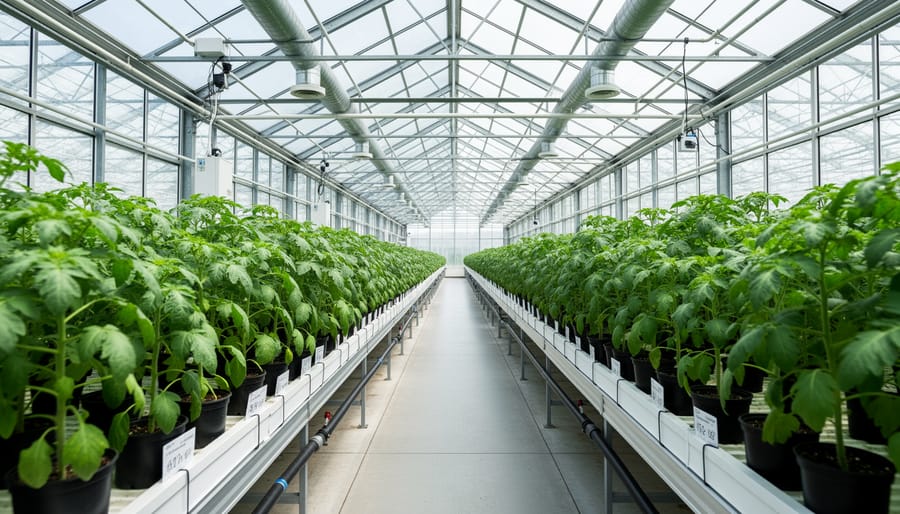
Before you start your cultivation journey, you’ll need to gather both physical supplies and reliable information sources. Having the right tools from day one prevents costly delays and keeps you on the right side of Canadian regulations.
Essential Physical Supplies
Your cultivation setup requires several categories of materials, each playing a specific role in producing compliant hemp-derived cannabis:
- Seeds or clones from licensed Canadian suppliers with documented THC profiles below legal thresholds
- Growing medium such as quality soil, coco coir, or hydroponic systems appropriate for your chosen method
- Containers or raised beds sized for your space, with proper drainage
- Environmental controls including grow lights (for indoor operations), fans, dehumidifiers, and thermometers
- Nutrients formulated for cannabis cultivation, approved for use in Canada
- pH and EC meters to monitor soil or water quality throughout the growing cycle
- Security equipment like locks, cameras, and fencing to meet license requirements
- Personal protective equipment including gloves, masks, and clean clothing for handling plants
- Documentation supplies such as logbooks, labels, and digital tools for tracking plant development
Informational Resources You Can’t Skip
Beyond physical materials, successful growers rely on accurate information. Bookmark Health Canada’s cannabis licensing page for the latest regulatory updates. Identify licensed testing laboratories in your province before you need them, you’ll require their services during the flowering stage to verify THC levels stay compliant.
Connect with established Canadian growing communities through forums and local associations. These networks provide region-specific advice about climate challenges, pest management strategies that work in your area, and recommendations for reliable suppliers. Many experienced growers openly share cultivation logs and problem-solving tips that prove invaluable when you encounter your first hurdle.
Keep contact information for your regional Health Canada office handy. When questions arise about compliance or reporting requirements, direct communication prevents misunderstandings that could jeopardize your license.
Safety and Compliance Warnings
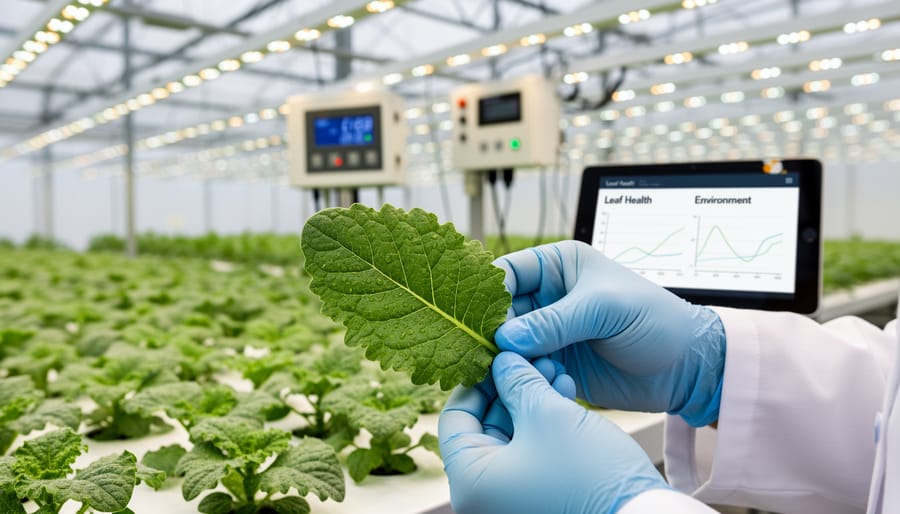
Growing hemp-derived cannabis legally in Canada requires strict attention to biosecurity protocols and regulatory compliance from day one. Health Canada mandates physical security measures for all cultivation sites, including restricted access controls, surveillance systems, and secure storage for seeds, plants, and harvested material. These aren’t optional recommendations, inspectors can arrive unannounced, and inadequate security is grounds for immediate suspension.
Pesticide use demands particular caution in Canadian cannabis cultivation. Only products registered with the Pest Management Regulatory Agency (PMRA) and listed in Health Canada’s approved database can be applied to hemp-derived cannabis, and application records must be meticulously maintained. Using an unapproved pesticide, even one legal for other crops, constitutes a serious violation. Similarly, any fertilizers, amendments, or treatments must be documented with batch numbers, application dates, and quantities used.
Record-keeping extends beyond chemicals. You’re required to track plant counts, growth stages, any plant destruction, and all security incidents. These logs must be available for inspection and retained for at least two years. The safety standards established by Health Canada apply to every stage of cultivation, and non-compliance carries real consequences: fines ranging from $5,000 to $250,000 for individuals, license suspension or revocation, and potential criminal charges for serious violations.
Biosecurity also means preventing cross-contamination between hemp and higher-THC cannabis if you’re working near other operations. Shared equipment, tools, or even clothing can transfer pollen or plant material, potentially pushing your THC levels over the legal threshold and destroying an entire harvest.
Step-by-Step: Cultivating Hemp-Derived Cannabis Legally in Canada
Step 1: Obtain the Appropriate License
Before you can legally cultivate hemp-derived cannabis in Canada, you need the right license from Health Canada. The application process requires careful attention to detail, but breaking it down makes it manageable.
Start by visiting Health Canada’s Cannabis Licensing Application Portal. You’ll need to decide between an industrial hemp license (for plants with 0.3% THC or less) or a standard cultivation license if you’re working with higher THC genetics. For most hemp-derived cannabis, the industrial hemp license is appropriate and generally faster to obtain.
Your application must include a detailed site plan showing your growing area’s boundaries, security measures, and storage facilities. Health Canada requires proof that you control the land, whether through ownership documents or a lease agreement. You’ll also need to submit a comprehensive security plan describing how you’ll prevent unauthorized access and diversion.
The application fee sits at approximately $1,641 for new industrial hemp licenses as of 2026, though this can vary based on your operation’s scale. Processing times typically range from 60 to 120 days, assuming your application is complete and accurate.
Pro tip: Connect with other licensed growers in your province before applying. They can flag common mistakes that delay approval, like insufficient security details or unclear site descriptions. Health Canada may request additional information during review, so respond promptly to avoid extending your timeline. Keep copies of everything you submit, you’ll reference these documents throughout your cultivation journey.
Step 2: Secure Your Growing Space and Equipment
Once you’ve secured your cultivation license, you need to establish a growing space that meets Health Canada’s physical security and operational requirements. Your license application will have specified whether you’re growing indoors, outdoors, or in a greenhouse, stick to what you declared.
For indoor operations, designate a locked, access-controlled area with proper ventilation, lighting (full-spectrum LEDs are standard), and climate control. You’ll need thermometers, hygrometers, and fans to maintain temperatures between 20-28°C and relative humidity around 50-70% during vegetative growth. Install security cameras that record continuously and store footage for at least two months, as inspectors may review them.
Outdoor growers must fence the perimeter with barriers at least two metres high and post “No Trespassing” signage. Choose a location with southern exposure and good drainage, considering your province’s frost dates.
Greenhouse setups combine outdoor light with climate control, ideal for Canada’s short growing season. Ensure your structure has lockable entry points and meets local building codes.
Document your security setup with photos and floor plans. Keep an equipment inventory that includes serial numbers for lights, filters, and monitoring devices. This paperwork proves compliance during inspections and demonstrates you’re serious about maintaining professional standards.
Step 3: Source Compliant Seeds or Clones
Sourcing compliant genetics is both a legal requirement and a cultivation cornerstone. In Canada, you must obtain hemp-derived cannabis seeds or clones from a licensed producer or distributor, never from unregulated sources or personal collections, as undocumented genetics can jeopardize your license. Health Canada maintains a list of approved cultivars, and many licensed seed companies now offer strains specifically bred to stay below the 0.3% THC threshold while expressing desirable CBD profiles. When evaluating seed genetics prioritize strains with documented stability and third-party test results confirming cannabinoid ratios across multiple grow cycles. Request certificates of analysis and retain all purchase invoices, as inspectors will verify your genetics trace back to a legal source. Clones can accelerate your timeline, but ensure they come from a licensed nursery with phytosanitary certificates. Choose genetics suited to your region’s climate, some cultivars tolerate shorter Ontario summers, while others thrive in BC’s milder conditions. Document the strain name, supplier, purchase date, and lot number for every plant in your operation.
Step 4: Plant and Monitor Growth Conditions
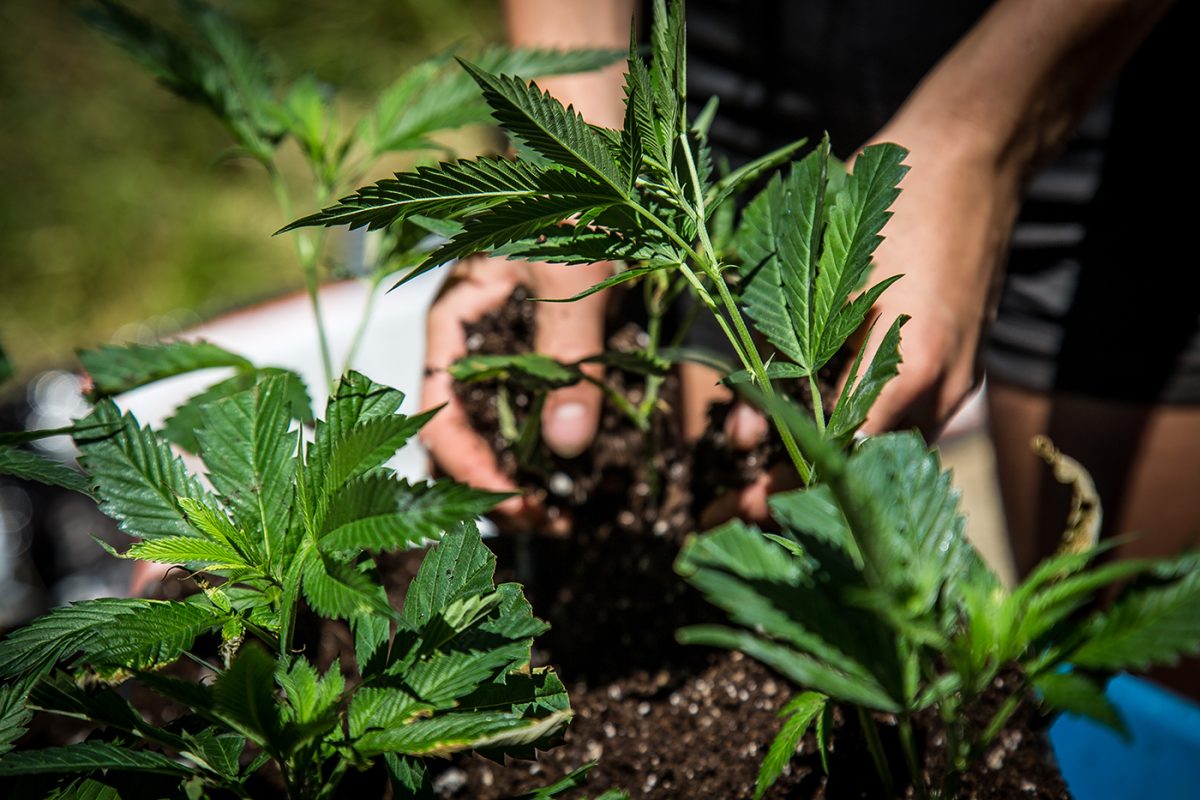
Once your growing space is ready and you’ve secured compliant genetics, it’s time to get your plants in the ground, or containers. Start with seed germination using methods like paper towel or direct planting in a light growing medium. Keep temperatures between 20-25°C and maintain humidity around 70% to encourage strong sprouting within 3-7 days.
As seedlings emerge, gradually introduce light. Indoor growers should use 18-24 hours of light daily during the vegetative stage, while outdoor growers in southern regions like Ontario and BC can plant after the last frost (typically late May), taking advantage of long summer days. Northern growers in Manitoba or Alberta may need greenhouse protection to extend the season and maintain consistent temperatures.
Monitor plants daily for signs of stress, yellowing leaves, stretching, or wilting, and adjust water, nutrients, and airflow accordingly. Keep a detailed cultivation log recording germination dates, growth milestones, environmental conditions, and any interventions. Health Canada requires meticulous records, so photograph your plants weekly and note any changes in health or development.
During vegetative growth, plants should develop strong stems and vibrant green foliage. This stage typically lasts 4-8 weeks depending on genetics and your climate zone. Check soil pH regularly (aim for 6.0-7.0) and ensure proper drainage to prevent root issues in Canada’s variable humidity conditions.
Step 5: Navigate the Flowering Stage and Testing Requirements
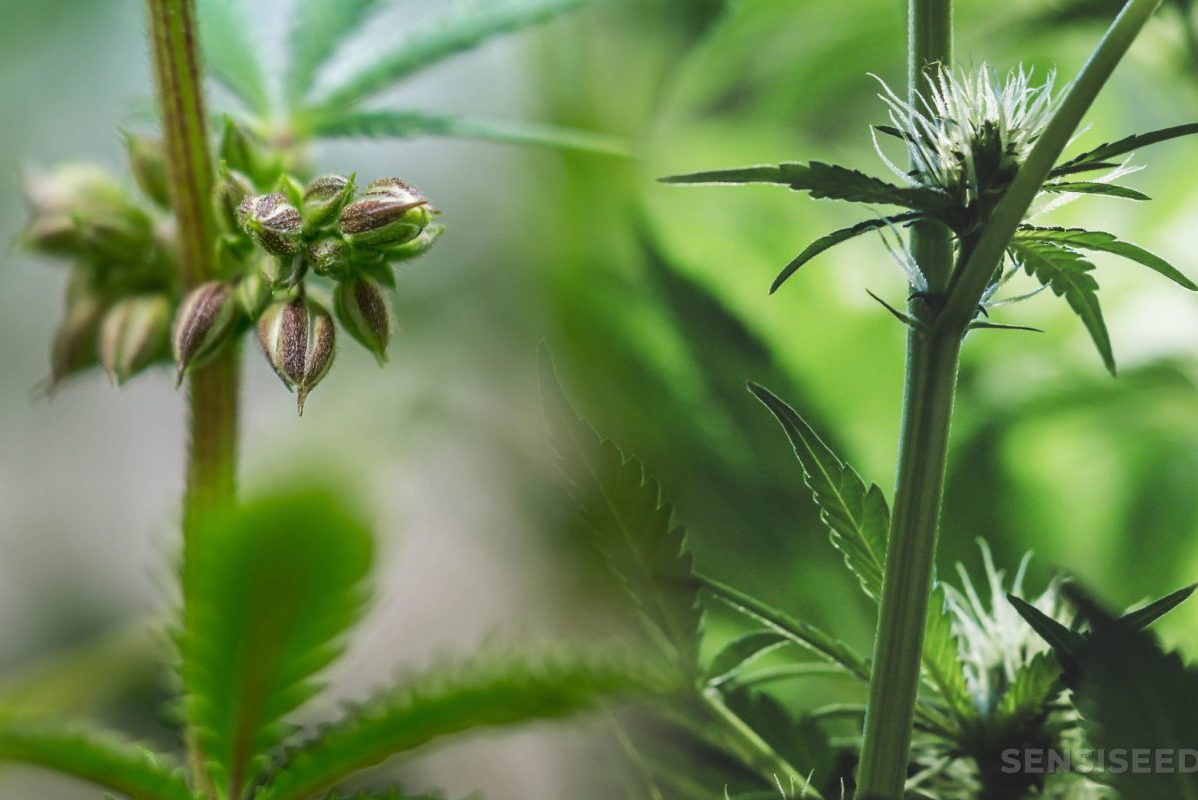
Once your plants enter the flowering stage, triggered by changing light cycles or natural seasonal shifts outdoors, THC levels can rise quickly, so timing your compliance testing is critical. In Canada, you must conduct THC testing when plants are approaching maturity, typically within two to four weeks before planned harvest. Contact a Health Canada-approved testing lab early to schedule sampling, as turnaround times vary. Collect representative samples from multiple plants following lab protocols, and submit them with proper documentation linking each sample to your cultivation license.
If test results show THC approaching the legal threshold (usually 0.3% on a dry-weight basis for hemp), you have limited options: harvest immediately if levels are still compliant, or if they’ve exceeded limits, destroy the crop under witnessed conditions and file the required reports. Some growers use test rooms with controlled environments to monitor cannabinoid development more precisely before field-wide harvest. Keep detailed records of flowering start dates, environmental conditions, and all test results, inspectors will verify this documentation to ensure your operation stays within hemp regulations throughout the growth cycle.
Step 6: Harvest, Dry, and Cure Properly
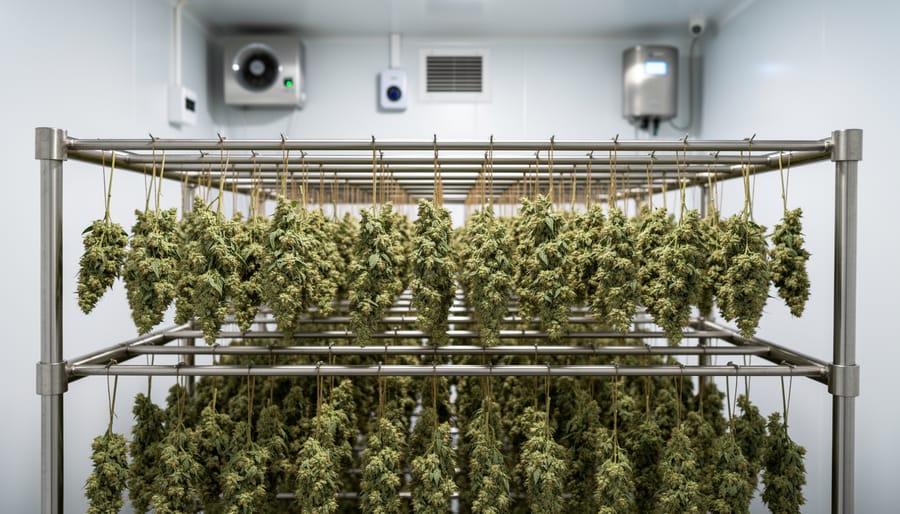
Harvest when 70-80% of trichomes appear milky-white under magnification, typically 8-10 weeks into flowering for most hemp strains. Cut plants at the base in early morning when cannabinoid levels peak. Canadian growers face unique drying challenges: aim for 60% relative humidity and 15-18°C in your drying space, which may require dehumidifiers in coastal regions or humidifiers in prairie provinces during dry winters.
Hang whole plants or individual branches in darkness with gentle air circulation, not direct fans, for 7-14 days until smaller stems snap rather than bend. Once dried, trim buds and place them in airtight containers at 58-62% humidity using calibrated hygrometers. Open containers daily for the first two weeks to release moisture and prevent mold, gradually reducing to weekly checks.
Keep detailed harvest records including date, weight, and lab test results. Store all documentation for the retention period required by your license, typically two years minimum. Some provinces require post-harvest testing to confirm THC levels remain compliant, so verify your obligations before processing your crop.
Verification and Next Steps: Ensuring Your Cultivation Meets Standards
Once you’ve harvested your hemp-derived cannabis, your compliance obligations don’t end, they shift toward verification and recordkeeping. Health Canada can conduct inspections at any point, and being prepared means maintaining organized documentation that demonstrates every step of your operation met legal standards.
Keep detailed records of your entire cultivation cycle: purchase receipts for seeds or clones, daily logs of environmental conditions, photographs showing plant development, and all laboratory testing results. Store copies of your license, any amendments or notifications submitted to Health Canada, and correspondence with regulatory bodies. These records should be readily accessible, preferably in both physical and digital formats, and retained for the minimum period specified in your license conditions, typically at least two years after harvest.
Prepare for inspections by conducting your own internal audit periodically. Walk through your facility as an inspector might, checking that security measures function properly, storage areas are properly labeled, and all documentation is current. If you spot gaps, missing test results, incomplete logs, address them immediately rather than waiting for an official visit.
Once your harvest is verified compliant and properly documented, you’ll need to decide on next steps. If you’re licensed for processing, you can extract cannabinoids or prepare dried flower products, always staying within your license scope. If you’re selling to other license holders, ensure all transfer documentation is complete and submitted through Health Canada’s tracking system.
Connect with the Canadian cannabis growing community through provincial associations, online forums focused on hemp cultivation, and industry events. These networks offer real-time information about regulatory updates, regional growing challenges specific to Canadian climates, and practical troubleshooting advice from growers who’ve navigated similar situations. Building these relationships creates a support system that extends well beyond your first harvest, helping you adapt as both your operation and the regulatory landscape evolve.
Common Questions About Hemp-Derived Cannabis Cultivation in Canada
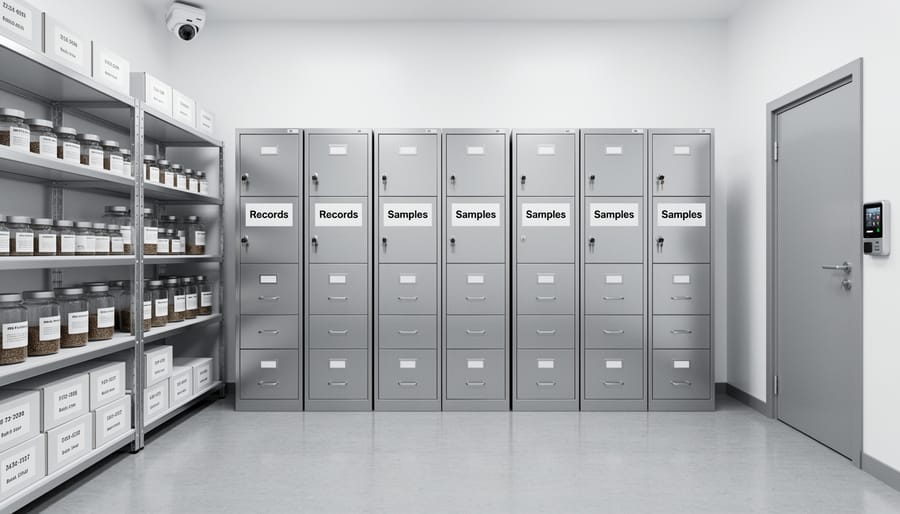
New growers often share similar concerns when starting their hemp-derived cannabis journey in Canada. The licensing process, costs, and compliance requirements can feel overwhelming at first, but understanding the answers to these common questions helps you plan realistically and avoid costly mistakes.
How long does the Health Canada licensing process take, and what are the typical costs?
Application processing typically takes 8 to 12 months from submission to approval, with application fees ranging from $1,641 for micro-cultivation to $23,000 for standard cultivation licenses. Additional costs include security clearances, site modifications, and annual licensing renewal fees.
How often do I need to test my plants for THC levels?
You must test within 30 days before harvest, and Health Canada recommends additional testing during the flowering stage if you’re approaching THC thresholds. Licensed labs typically charge $200 to $500 per batch test.
What happens if my plants exceed the THC limit?
Plants exceeding 0.3% THC must be destroyed under Health Canada supervision, and repeated violations can result in license suspension or revocation. You’re required to report any non-compliant plants immediately and maintain destruction records for two years.
Can I grow hemp-derived cannabis for personal use without a license?
No, all hemp-derived cannabis cultivation in Canada requires proper licensing, even for personal use. The federal cannabis regulations allow personal cultivation of up to four plants per household, but those fall under different rules than hemp-derived cannabis.
Staying current with regulatory changes matters because cannabis laws continue evolving. Health Canada publishes updates through their Cannabis Licensing System, and subscribing to their email notifications keeps you informed of policy shifts. Provincial cannabis associations and regional grower networks also share timely information about local requirements and enforcement trends.
Connecting with other Canadian growers provides practical knowledge that goes beyond official documentation. Local cultivation meetups, online forums focused on Canadian cannabis growing, and provincial industry associations offer spaces to ask questions, share regional climate strategies, and learn from others who’ve navigated the licensing process. These communities often provide the real-world context that helps you interpret regulations and apply best practices to your specific growing situation.
Budget planning should account for more than just licensing fees. Expect to invest in compliant facility modifications, security systems, testing services, proper documentation systems, and ongoing operational costs. Many successful growers recommend setting aside a contingency fund of at least 20% above your initial budget to handle unexpected compliance requirements or equipment needs.
Cultivating hemp-derived cannabis in Canada successfully means balancing two priorities: staying compliant with federal and provincial regulations, and mastering the horticultural techniques that suit your specific growing conditions. This guide has walked you through the licensing process, essential materials, safety considerations, and step-by-step cultivation practices, but your learning doesn’t stop here.
Regulations evolve. Health Canada updates guidelines, provinces adjust requirements, and testing standards change. Make it a habit to check official sources regularly and connect with other Canadian growers who share insights about what’s working in different regions. Whether you’re dealing with humid coastal conditions or prairie dryness, there’s someone in the community who’s already figured out solutions.
Document everything. Your cultivation records aren’t just for inspections, they’re your personal knowledge base that helps you improve with each growing cycle. Track what works, what doesn’t, and how your plants respond to different approaches.
Most importantly, contribute to the collective knowledge. Share your experiences with fellow cultivators, ask questions when you’re uncertain, and help newcomers navigate the same challenges you’ve overcome. Canadian cannabis cultivation thrives when growers support each other, respect the legal framework, and continuously refine their craft based on real-world results.